How We Helped Universal Books Build a Marketplace Flywheel in a Low-Margin Category
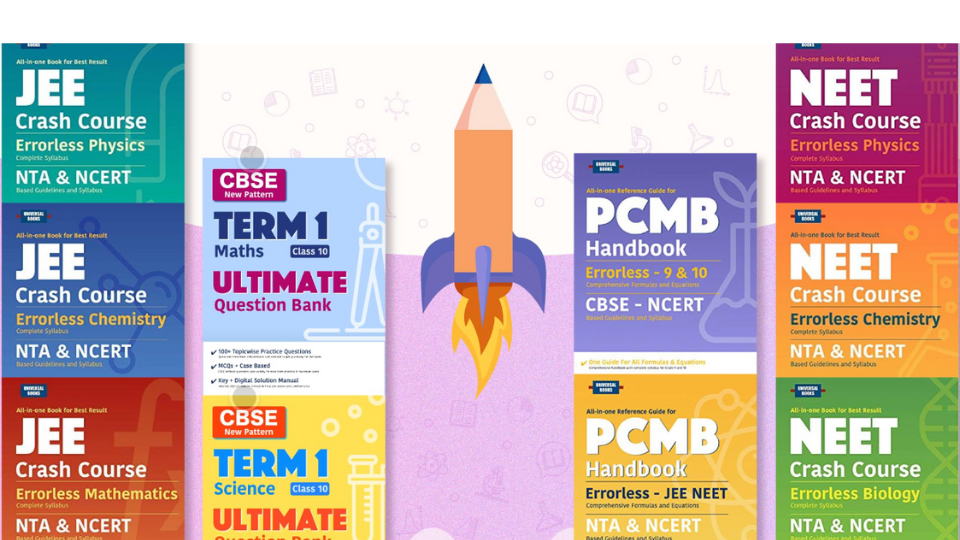
Universal Books had a rich catalog of exam prep books, school textbooks, and academic reference material — spread across hundreds of listings. The category is infamously margin-thin, inventory-heavy, and plagued by unauthorised resellers. While offline retail was established, Amazon & Flipkart performance was inexistent: listings weren’t surfacing, ads were inefficient, and organic rank couldn’t be sustained and whatever brand pull existed – was being milked by resellers.
Key Business Challenge
Consolidate business under the parent brand's company and create a playbook for new SKU launches that happen year. Build a sustainable Amazon & Flipkart growth engine in a low-AOV, high-SKU category.
Before Scaling We Conducted A Deep Platform & Catalog Audit
Duplicate & Reseller Listings
Dozens of key titles had 2–5 competing ASINs, often without brand control — splintering reviews and rank potential.
No SKU Differentiation Logic
At the surface level, all listings looked the same without any differentiation in USPs, images, A Plus, bullets etc. Just the subject name would be changed.
Non-Indexable Listings
Titles often lacked proper keyword tagging (“CBSE Class 10 Maths 2024 Guide” wouldn’t show for “10th board book” searches) — killing discoverability.
Marketplace Growth Wasn’t About Spend It Was About Smart SKU & Catalog Control
Priority SKU Framework
Built a dynamic matrix based on syllabus demand (ICSE, CBSE, State Board), search volume, and sales velocity — and focused only on the top 10 SKUs across categories.
Ad Architecture Realignment
Split campaigns by board + grade cluster, not by title. Focused spend on newer edition SKUs where demand was peaking and margin was relatively higher.
#ROI
Strategic Framework
We focused our strategy on consolidating control, cleaning up discoverability, and creating RoAS-positive loops for priority SKUs.
Reseller Mapping & Suppression
Used Brand Registry to consolidate ASINs, suppress duplicate listings, and recover ranking integrity on hero titles.
Listing SEO + Backend Keywording
Rewrote product titles and back-end fields using real parent search intent — “Class 10 Guide” > “S Chand Maths Class 10 Term 1 Edition”. Indexed more relevant queries without altering product authenticity.
Rather than pushing catalog volume, we went after catalog control. Every campaign, every keyword, and every listing update fed into the flywheel: better visibility → higher sales → better rank → lower TACoS. We reduced budget waste, blocked fragmented listings, and created a system where only priority titles were allowed to grow.
One of Universal Books’ new edition guides for CBSE Class 12 Physics entered Amazon’s Top 5 organic rankings within 6 weeks, after years of being pushed down due to review-splitting across old ASINs.
No couponing. No giveaways. Just platform hygiene + RoAS-backed acceleration.
Our Learnings We Don’t Just Manage Book Listings
We Engineer Visibility in Cluttered, Thin-Margin Marketplaces.
01
In low-AOV categories, RoAS is driven by SKU control — not campaign hacks.
02
Reseller suppression is not optional — it’s a core growth lever in books.
03
Organic rank is a consequence of listing integrity + ad intent matching — not brute force spends.
04
Syllabus alignment and seasonality timing matter more than ever in ad prioritization.
For us, marketplace growth is a matter of structure — not just scale.