How We Made Gwalia’s Quick Commerce Growth More Profitable - While Growing Sales by 45%
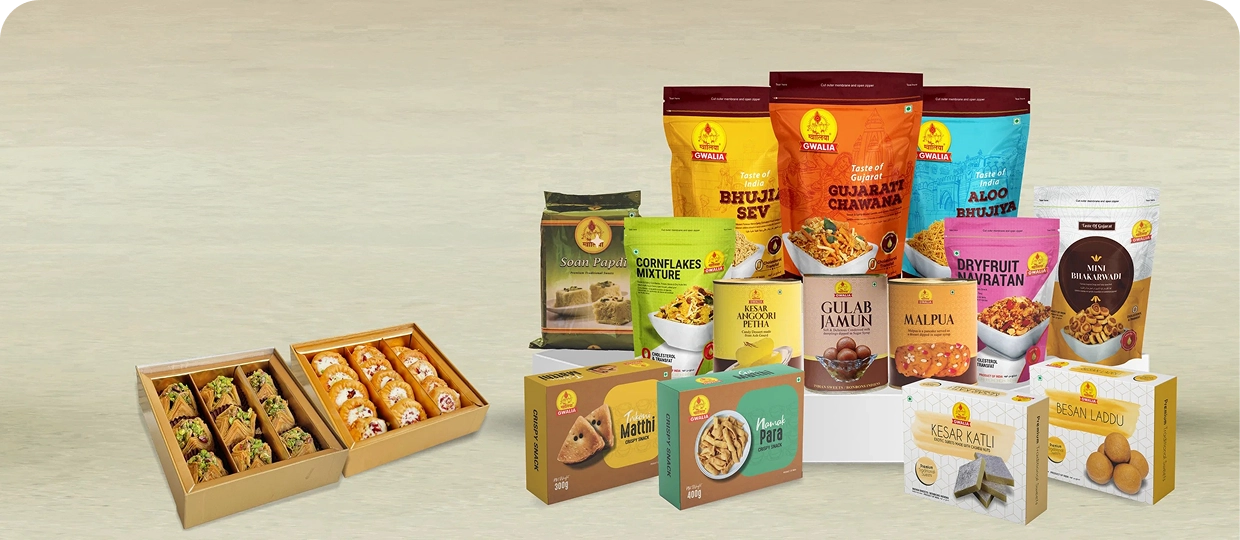
Gwalia Sweets is an established Indian sweets and snacks brand with a wide portfolio spanning traditional mithai, namkeen and packaged foods.
As the brand expanded across Blinkit, Zepto and Instamart, the opportunity was significant: quick commerce puts impulse-led food categories directly in front of consumers at the moment of purchase.
But growth was coming with a profitability problem.
Advertising spends were inefficient enough to put pressure on the economics of the channel. Simply spending harder to capture more orders would have amplified the problem. Gwalia needed to keep building sales while reducing how dependent those sales were on advertising.
Key Business Challenge
Turn quick commerce from an expensive growth channel into a more sustainable one - increasing sales across Blinkit, Zepto and Instamart while bringing TACoS under tighter control.
Campaign
Quick Commerce – Blinkit, Zepto & Instamart
Industry
Food & Sweets
Key Growth Levers
Blinkit | Zepto | Instamart
Before Re-architecting, We Diagnosed Where Sales Were Growing, But Profitability Wasn’t
Not All Sales Were Equally Valuable
Revenue growth alone was hiding the efficiency problem. Campaigns generating sales at weak economics were consuming budgets that could work harder elsewhere.
Campaign Productivity Varied Widely
High-spend, low-return campaigns were absorbing investment without contributing proportionately to incremental sales.
Visibility Needed Profit Guardrails
Cutting advertising aggressively could protect TACoS but hurt sales momentum. The challenge was identifying where visibility mattered and where spend could be removed without sacrificing growth.
From Buying Quick Commerce Visibility to
Building a Profitability-Led Growth Engine
Campaign Portfolio Rebuilt Around Productivity
Identified high-spend, low-return pockets and restructured the campaign mix so budgets weren’t automatically inherited by historically active campaigns.
Bids & Placements Managed as Profit Levers
Continuously adjusted bids and placements instead of treating visibility as a fixed requirement – protecting presence where it was productive and pulling back where the economics weakened.
#ROI
Tight Keyword Targeting
Refined targeting to reduce inefficient traffic and direct investment towards searches with stronger commercial relevance.
High-Converting Products Earned More Investment
Prioritised products demonstrating stronger conversion potential, concentrating advertising behind SKUs where additional visibility had a greater probability of translating into sales.
Budget Allocation Became Dynamic
Regular performance reviews moved budgets towards emerging opportunities and away from deteriorating campaigns, keeping the account responsive rather than allowing inefficiency to compound.
We shifted the operating question from “How do we generate more ad sales?” to “Where should the next advertising rupee go?”
Campaigns, products, bids and placements were evaluated against their ability to contribute incremental sales efficiently - allowing us to remove waste while protecting the parts of the account responsible for growth.
The most interesting result was the gap between overall sales growth and ad-sales growth.
Ad sales increased by 24%, while total sales grew by 45% and TACoS improved by 27%. That meant the account wasn’t simply buying its way to higher revenue. Overall business growth was materially outpacing the growth coming directly from advertising – while advertising efficiency itself improved.
For a quick-commerce business trying to escape perpetual dependence on paid visibility, that is the healthier direction of travel.
Our Learnings We Don’t Just Buy Quick Commerce Visibility
We Build Growth With Profitability Guardrails
01
Quick commerce growth cannot be judged on ad sales alone. TACoS reveals whether advertising is supporting the wider business or becoming increasingly responsible for it.
02
Catalogue prioritisation becomes critical when profitability is under pressure. Advertising every SKU equally spreads capital instead of creating meaningful momentum behind products capable of converting it.
03
Cutting spend and improving efficiency are not the same thing. The real unlock comes from removing unproductive investment while protecting the visibility responsible for incremental demand.
04
When total sales begin growing faster than ad sales while TACoS improves, the growth engine is moving in the right direction - towards greater revenue productivity from paid media.
For us, quick commerce growth isn’t about buying more visibility – it’s about making paid visibility work hard enough that the business can grow faster than the advertising supporting it.